
Apparel factory audit records are useful only when you know which facility each covers, when the assessment took place and what its findings mean for your order. A retailer name in a company profile or video is not proof of current approval. This guide explains the checks a sourcing team can make before relying on a supplier’s audit history.
Match the record to the proposed production facility
Begin with the legal name and address printed on the report. Then ask the supplier to identify the contracting company and the facility proposed for your order. Similar company names, trading offices and affiliated factories should not be treated as one audited entity without documentation connecting them.
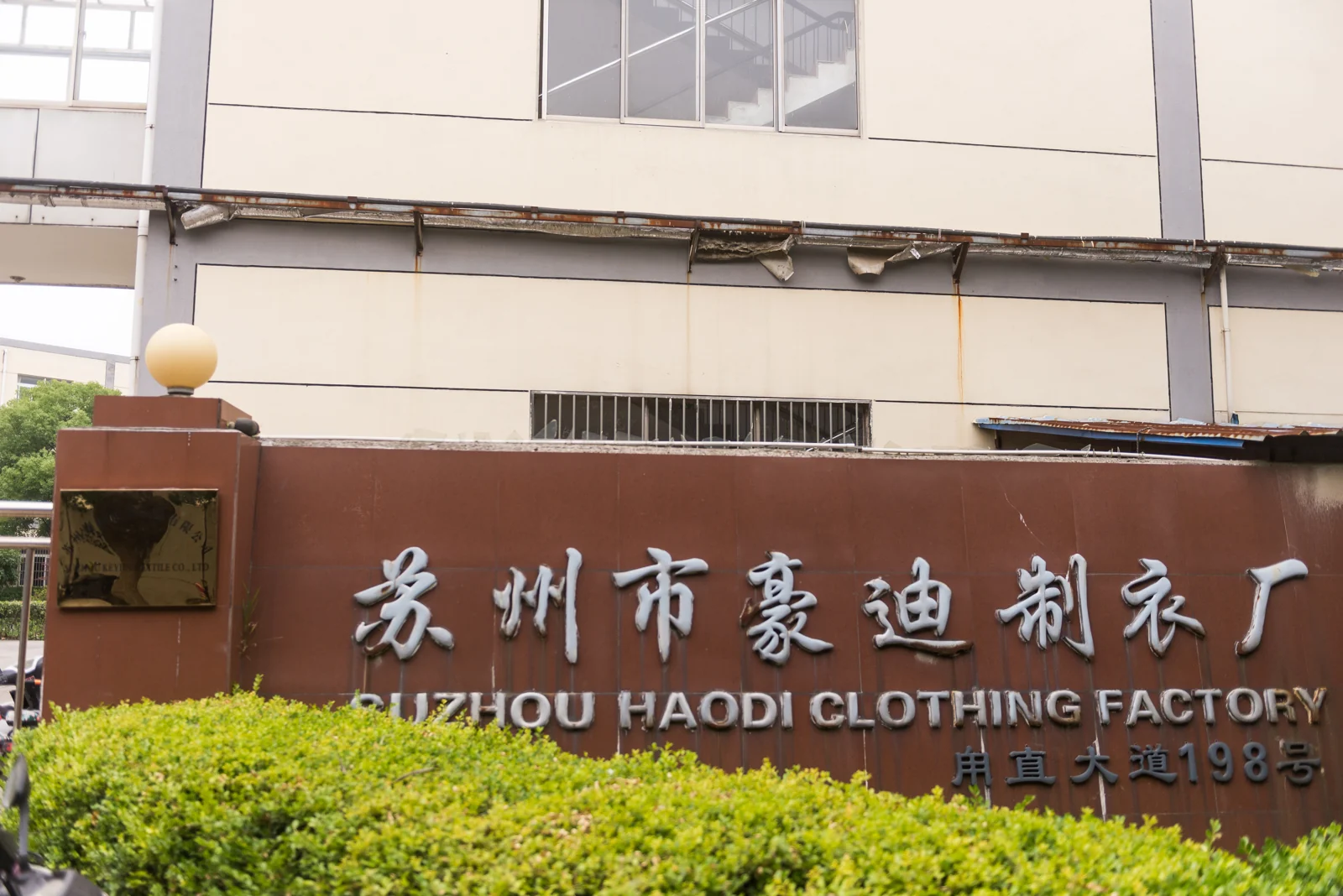
KEYIDI TEXTILE is Suzhou Keyidi Textile Co., Ltd. Its credentials archive includes historical records under the original names of its affiliated production factory, Suzhou Haodi. The proposed production site and contracting entity need to be confirmed for each buyer programme. The Quality & Credentials page lists the named facilities and dated records.
Check the document type, date and scope
Ask to see what the document actually is: an audit report, factory assessment, corrective action plan, follow-up review or time-limited certificate. Read the date, auditor, assessment scope, result, findings and stated validity. A report about labour practices does not automatically establish garment quality performance; an old certificate does not establish its current validity.
- Facility: Does the name and address match the proposed manufacturing site?
- Timing: When was the assessment performed, and has a later review changed its status?
- Scope: Which programme and topics were assessed?
- Outcome: Were there findings, required corrections, an expiry date or conditions for approval?
Read corrective actions as carefully as the headline result
A corrective action plan or report (CAPR) identifies issues and proposed or completed responses. Ask which findings were closed, what evidence supports closure and whether a buyer requires a new assessment. A follow-up on some findings does not prove that every issue is closed or that the factory remains approved today.
Examples from the KEYIDI factory archive
The following are dated examples from records held for affiliated facilities. They describe what was documented at the time; they are not a list of current retailer approvals. See the source summaries and facility names before applying any record to a new order.
- 2021 SMETA: A November 8–9 audit names Suzhou Haodi Garment Factory. The audit and corrective-action records are held together; current closure status requires confirmation.
- Target, 2017–2018: A 2017 factory assessment recorded “Green – Acceptable for Production.” A separate January 2018 responsible sourcing assessment recorded corrective actions. The two findings should be read separately.
- Primark, 2017–2018: The archive includes an initial assessment, a desk review and a follow-up under the named Haodi facility. These are historical records with findings and corrective-action entries.
- Kohl’s, 2017–2018: A historical facility assessment recorded a low-risk score of 96. Its stated validity ended in November 2018.
Avoid turning a historical reference into current certification
A document filename or marketing video may mention a retailer without proving an active approval. For example, a file labelled with Walmart in this archive contains a SMETA corrective-action record; the filename does not turn it into a current Walmart certification. Older company profiles also refer to customers and factory history, but those references should not be presented as a current buyer endorsement. Ask for the documentation applicable to the exact facility and programme under review.
Watch the factory video
Factory tour footage. For official compliance records and third-party audit reports relevant to your project, please contact our team directly.
Keep factory audits and garment quality requirements separate
Social and responsible sourcing assessments are only one part of supplier onboarding. For the garment itself, agree an approved sample, measurements and tolerances, construction details, fabric and trim specifications, required testing, inspection method, labelling and packing. If an AQL level or independent laboratory is required, state it in the brief. Our manufacturing overview describes the production stages, while the buyer FAQ covers what to include in an enquiry.
Questions to send before supplier onboarding
- What are the legal names of the contracting company and proposed production site?
- Which dated audit or assessment records apply to that exact site?
- What were the findings, and what evidence shows the status of corrective actions?
- Does the buyer programme require a fresh audit or a specific approval?
- Who will confirm the garment-specific quality and testing plan?
For a broader sourcing checklist, read how to verify a garment manufacturing partner in Suzhou. If you have a complete tech pack or physical reference sample, send your project details to KEYIDI TEXTILE with your supplier assessment requirements. We can then discuss the proposed facility and the records relevant to your order.
Ready to Discuss Your Next Collection?
Send your garment brief, tech pack or physical sample details, fabric requirements, and target quantities for review.
Formal development requires a complete production-ready tech pack with specifications, or a physical sample garment. Concept sketches alone are not sufficient to start development.
Send Production Enquiry ↗Or email us directly at info@keyiditextile.com