

Bias-Cut Dress Design: Why a Fluid Sketch Needs a Material Trial
Plan bias-cut dress design with clear grain directions, material identification and a sample review that checks hanging, seams and hem behaviour.

Plan bias-cut dress design with clear grain directions, material identification and a sample review that checks hanging, seams and hem behaviour.
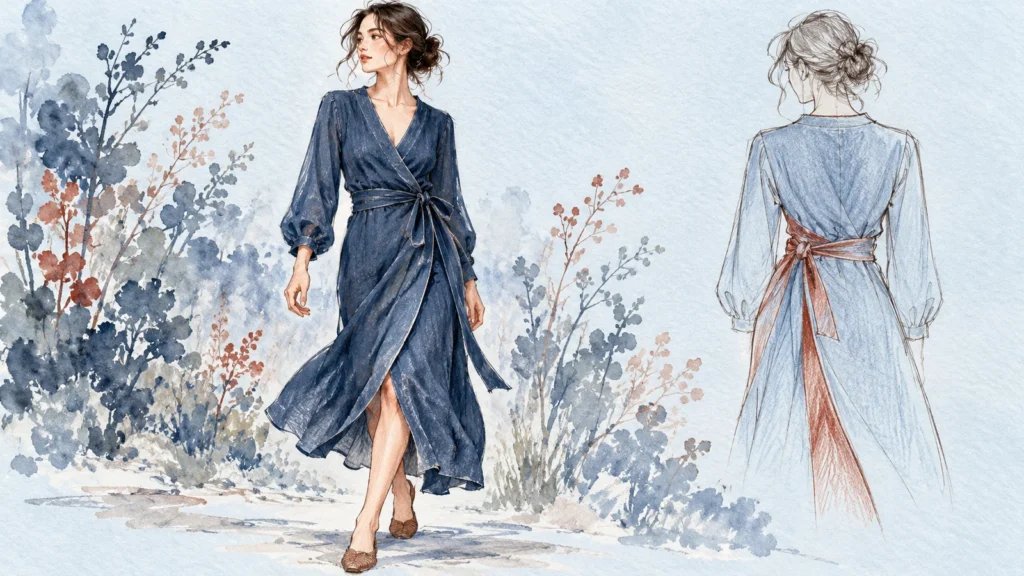
Develop a wrap dress by defining true or fixed-wrap construction, overlap, fastening and coverage requirements, then checking the garment through movement.

Compare pleats and gathers in garment design, define their placement and control, and test bulk and appearance with the intended fabric and construction.
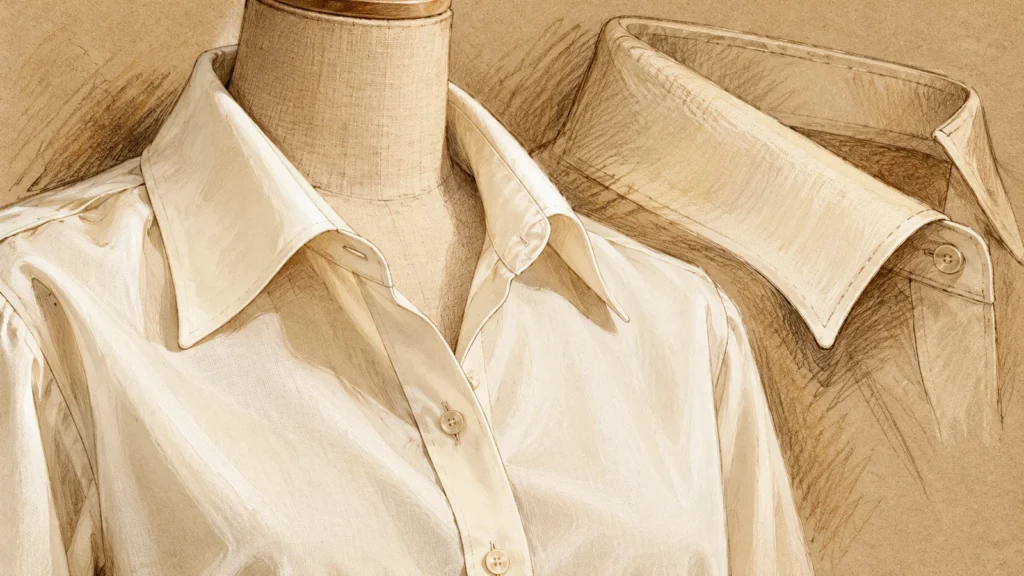
Clarify blouse collar and neckline design with front, back and detail views, defined opening methods and material trials before sample approval.
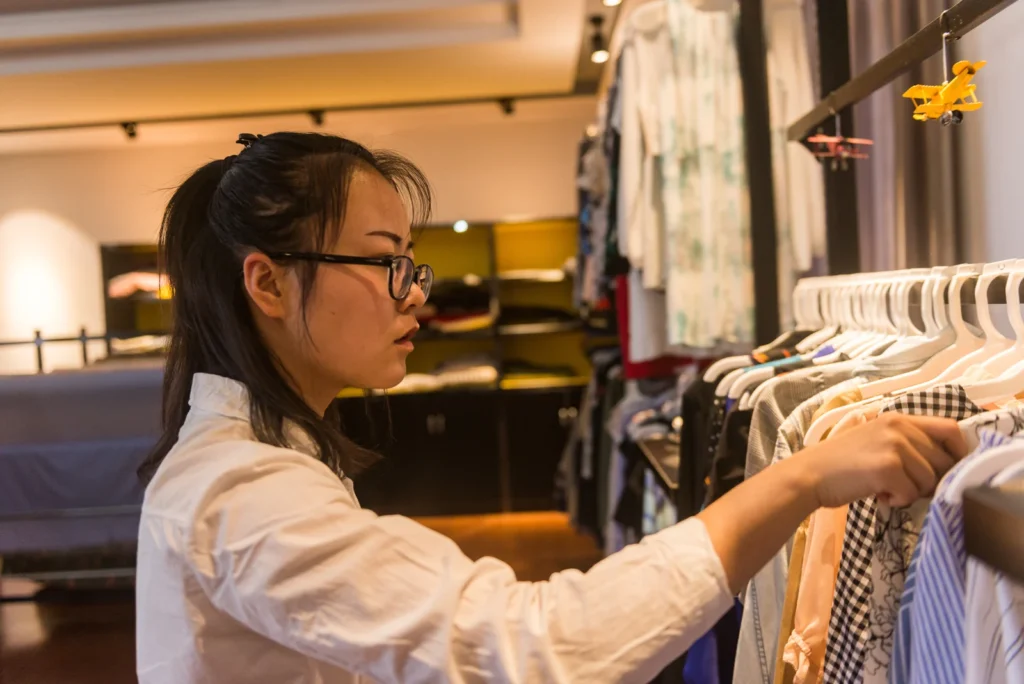
Prepare a clearer blouse manufacturing enquiry: define the garment, material status, style and colour quantities, sample scope, packing and delivery responsibilities.
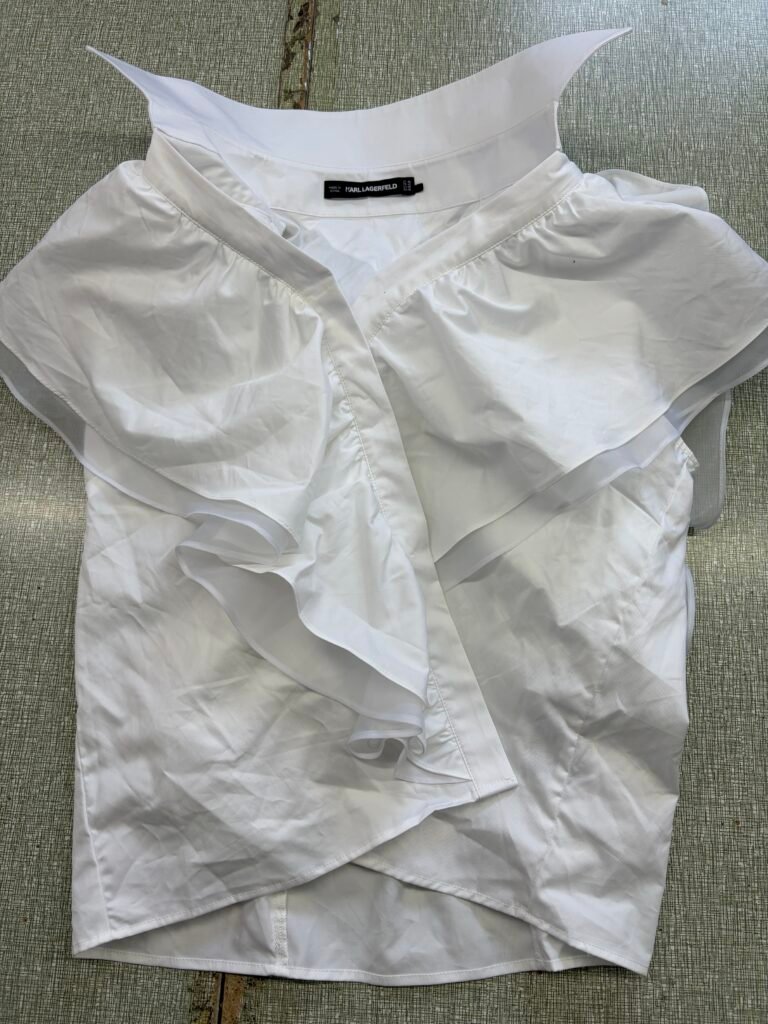
Inside a current black-and-white blouse order: ruffle construction, hand-sewn snap fasteners, concealed buttons and practical specification points for fashion buyers.
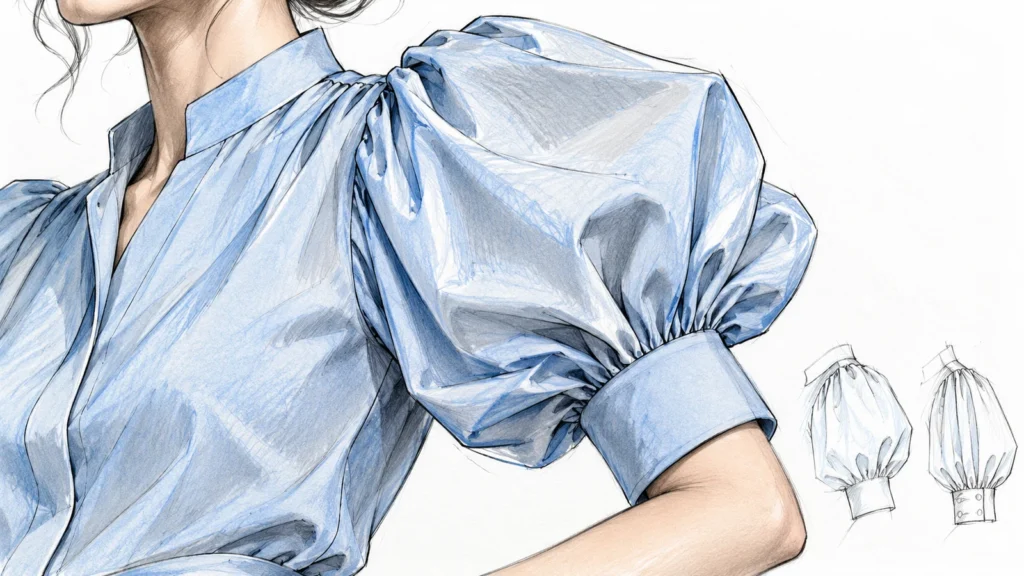
Develop puff sleeves by defining where fullness sits, how the sleeve is held at its edges and which material and movement questions a sample must test.
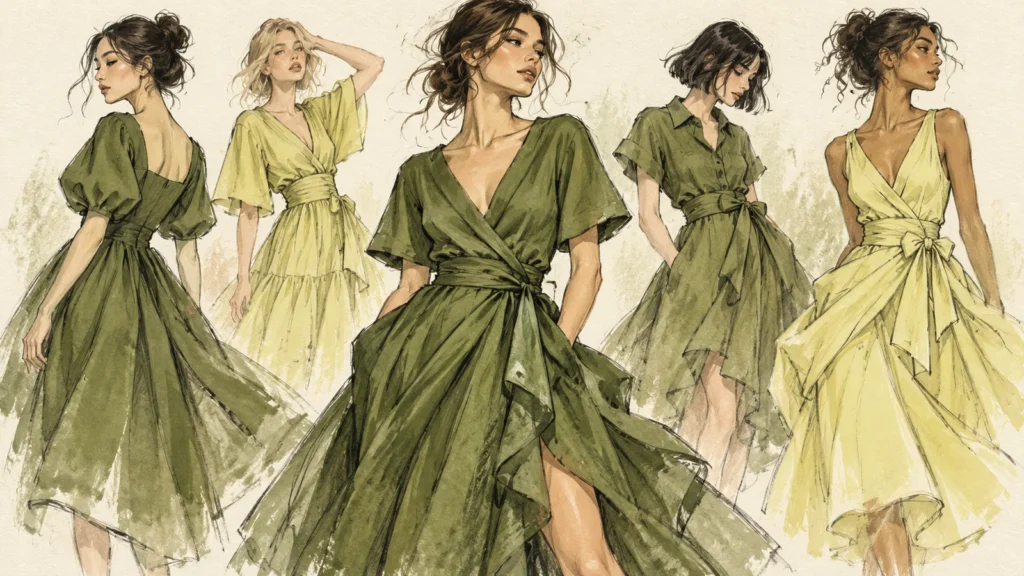
Develop a dress silhouette by testing waist position, volume distribution and balance, then connect the chosen outline to material and pattern decisions.
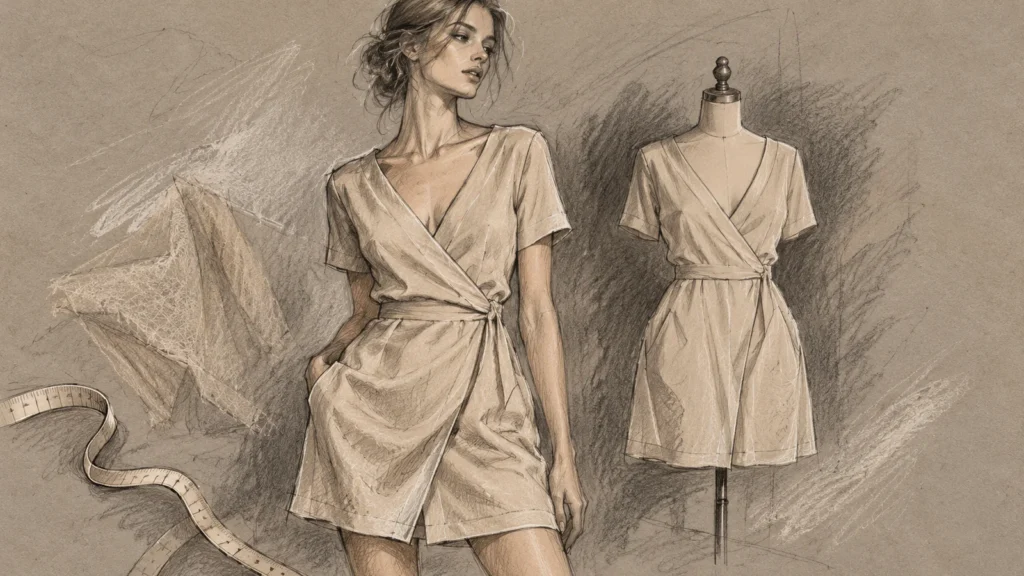
Translate fashion proportions into garment measurements by separating the illustrated figure, target body, finished garment and intended ease.

Choose fabric for a fashion sketch by examining drape, support, opacity and seam behaviour, then test candidate materials against the intended silhouette.