
Woven garment production MOQ is the minimum order quantity agreed for a particular production brief. It should be discussed alongside the style, colour, materials and size breakdown, rather than treated as one number that applies to every garment.
At KEYIDI TEXTILE, minimum quantities depend on style, colour, fabric and trim requirements. We confirm the applicable conditions after reviewing the individual project. This guide explains the questions fashion brands should resolve before comparing manufacturing offers.
Start with Quantities by Style and Colour
A collection total can hide several separate production requirements. For example, a proposed order of 600 garments split across three styles and two colours is a different brief from 600 garments in one style and one colour. This is an illustration of order allocation, not a KEYIDI minimum or an accepted order quantity.
Present a simple breakdown for each style: colour, total units and intended size allocation. Ask whether the quoted minimum applies per style, per colour or to another defined grouping. If one colour falls below a proposed minimum, identify that issue before assuming the full collection total solves it.
Check Fabric Purchasing Requirements
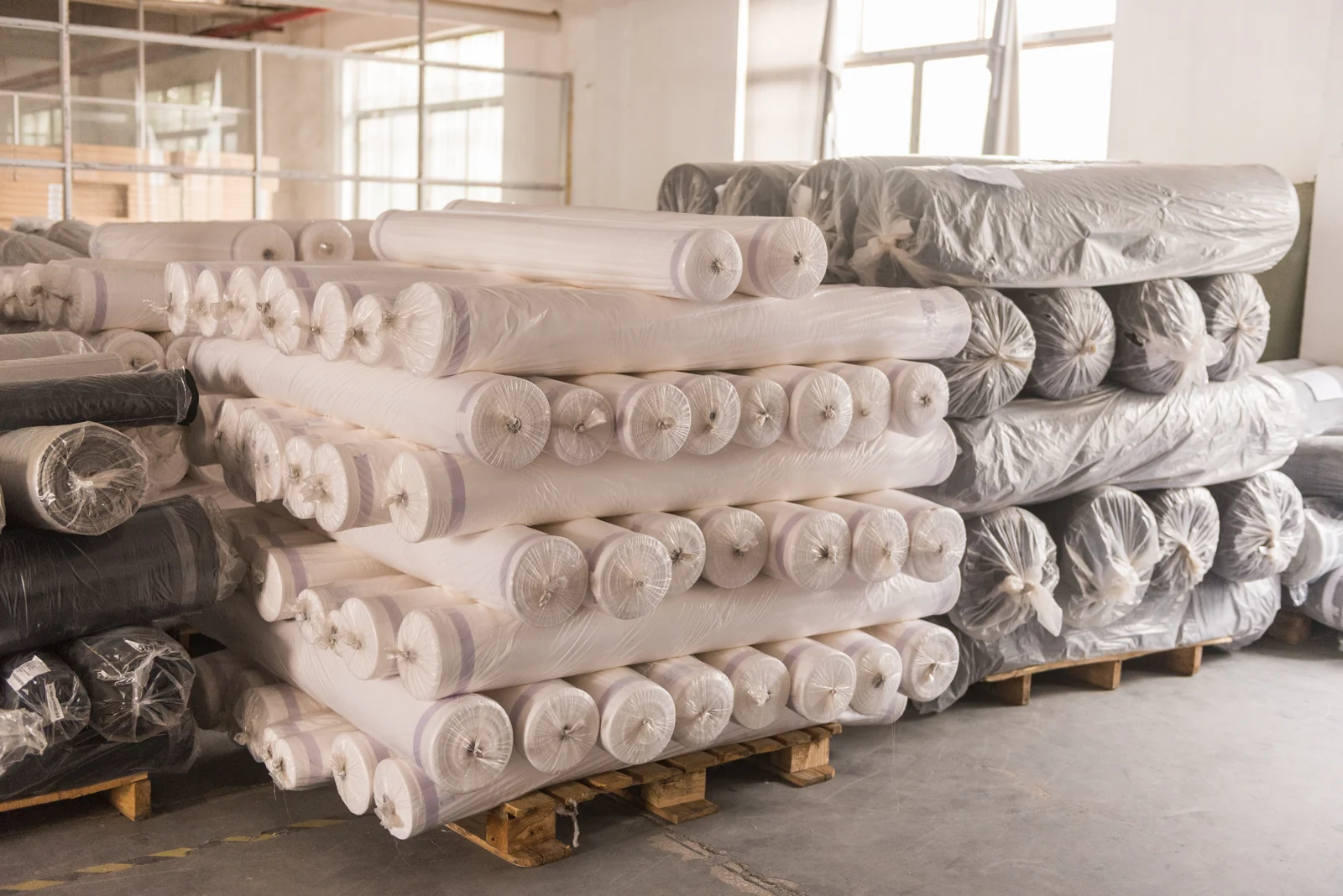
Garment production and fabric procurement are connected, but their quantities are not interchangeable. A fabric supplier may quote requirements in metres, while a garment order is expressed in units. Fabric consumption depends on the design, size distribution, usable width and cutting plan.
A stock fabric and a custom colour or printed fabric can create different procurement conditions. Ask which fabric has been costed, whether availability has been checked and whether any minimum purchase or residual material needs separate agreement. Do not assume a lower garment quantity automatically means the same fabric can be purchased proportionately.
Include Trims, Labels and Packaging
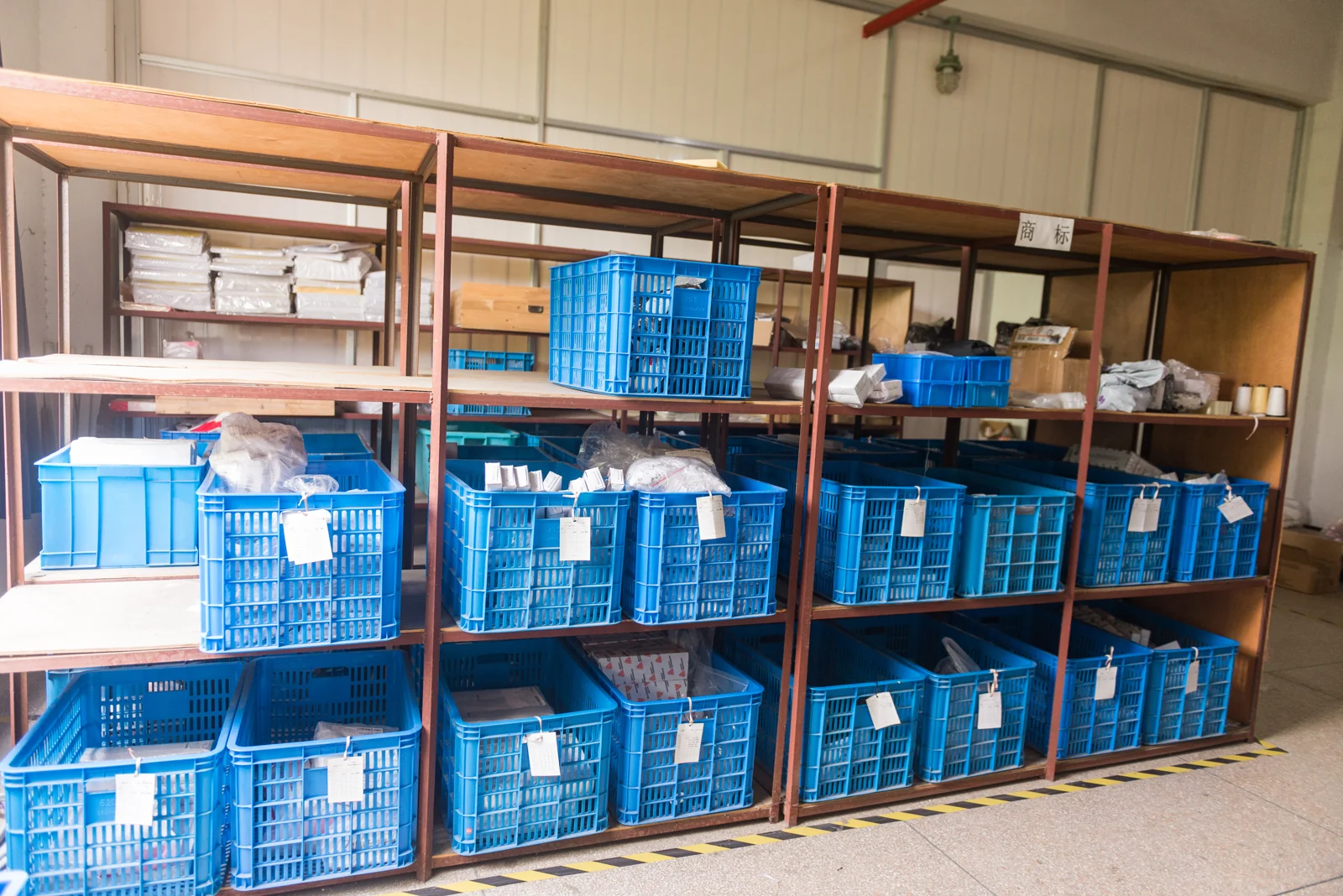
Buttons, zips, elastic, interlining, branded labels and packaging can each have purchasing requirements. A custom component may affect an otherwise straightforward shirt or dress order.
- Identify which components are standard and which are customised.
- State whether materials are buyer-supplied or need sourcing.
- Ask how unused branded components would be handled, if applicable.
- Confirm that the quotation includes the specified labels and packing.
Material substitutions should be reviewed for appearance and function. Replacing a trim solely to meet a quantity condition can change the garment, so record the approved choice in the production specification.
Consider Construction and Size Allocation
Two styles with similar appearances can require different work. Lining, intricate closures, pleats, print matching or additional finishing may affect how the production brief is assessed. Explain these requirements through a complete tech pack or a physical sample.
Provide the intended size range and the distribution of units. A broad range with only a few units in certain sizes needs a clear discussion; do not assume size quantities can be left until after the main order is agreed. Our woven garment manufacturing page explains the stages behind sampling and production.
Compare Offers on the Same Specification
Before comparing MOQ or price, check whether manufacturers have reviewed the same fabric, construction, colour allocation, labels and packing. An offer based on a stock material is not directly comparable with an offer based on custom development.
If the initial quantity is difficult to accommodate, ask which part of the brief creates the constraint. You can then discuss feasible alternatives, such as reducing colour variants or reviewing a material choice. A repeat-order expectation should not be treated as a confirmed concession on the first order.
What to Send for a Useful MOQ Discussion
Send your complete technical specifications or explain the physical sample available, together with quantities per style and colour, size allocation, material status and delivery needs. Distinguish a firm order plan from a quantity estimate.
Read our garment manufacturing FAQ for related sampling and scheduling questions, or submit your production brief for review. MOQ, material purchases, sampling and delivery arrangements need confirmation for the specific project.
Ready to Discuss Your Next Collection?
Send your garment brief, tech pack or physical sample details, fabric requirements, and target quantities for review.
Formal development requires a complete production-ready tech pack with specifications, or a physical sample garment. Concept sketches alone are not sufficient to start development.
Send Production Enquiry ↗Or email us directly at info@keyiditextile.com