
Bulk dress production should begin from an agreed set of garment requirements. A good-looking sample is an important reference, but it does not by itself resolve every decision about sizes, fabric, colours, labels or packing.
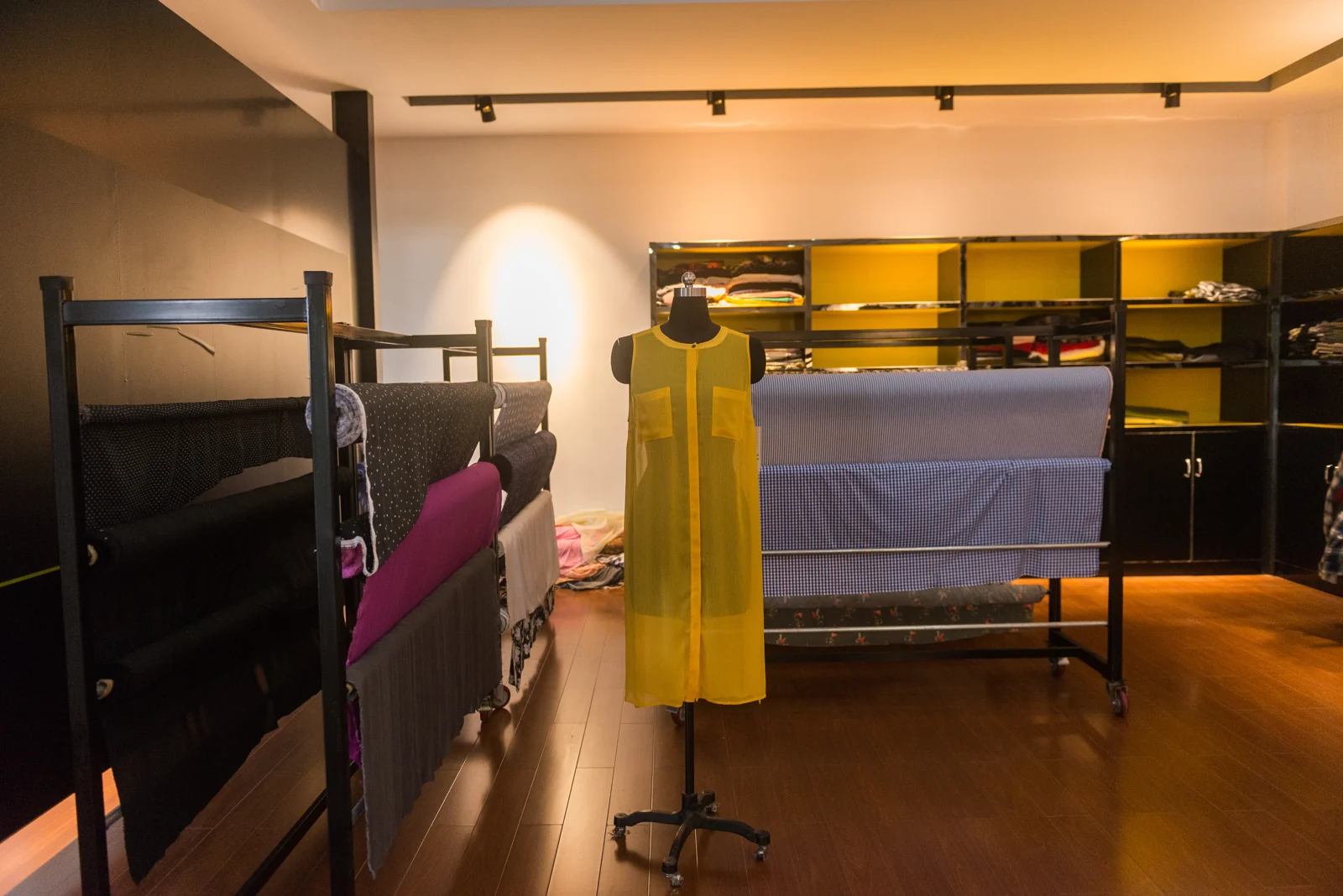
For fashion brands sourcing woven dresses, the practical task is to connect the approved sample with the latest specifications and order breakdown. This checklist helps identify what still needs confirmation before a production instruction is issued.
Record What the Sample Approval Covers
Identify the approved sample by style code, date and sample stage. Record whether approval covers fit, construction, fabric, print, trims and finishing, or whether some elements are still under review. Avoid an unqualified “approved” when the buyer has only reviewed fit.
If a sample uses substitute fabric or a temporary trim, make that limitation explicit. Confirm the reference to be used for bulk production and keep a dated list of outstanding decisions. Our garment sampling and manufacturing process provides the broader context for these stages.
Confirm Fabric, Lining and Appearance
Record the agreed shell fabric and any lining or interlining, including the specifications and colour references that apply. Clarify which material approvals are needed before cutting. A change of material can affect drape, transparency, seam appearance and fit, even when the drawing stays the same.
For lighter dresses, review opacity and the intended lining coverage. For materials with a directional surface or pattern, state the intended cutting direction. Any proposed replacement should be reviewed and approved rather than treated as equivalent without discussion.
Define Print Placement and Matching
Distinguish an all-over print from a placement print. If the design depends on a motif appearing in a particular area, specify its position and dimensions. State whether print matching is required at selected seams and identify the reference used to review it.
A sample photograph can illustrate the desired appearance, but written instructions are needed to make the requirement clear. Explain acceptable variation where applicable. Do not leave the factory to infer that every garment must reproduce a photograph exactly.
Bring Measurements and Size Allocation Together
Confirm the current measurement sheet, measurement methods, agreed tolerances and grading requirements. Identify the approved sample size and the ordered size range. If fit changes were requested, check that the updated values appear in the final specification.
- Reconcile garment length, neckline, armhole and fastening changes with the drawing.
- Check lining measurements and functional openings where relevant.
- Confirm units by style, colour and size.
- Identify the document version that replaces earlier fit comments.
For the information behind these records, review our garment sampling requirements.
Agree Quality Checks and Packing Instructions
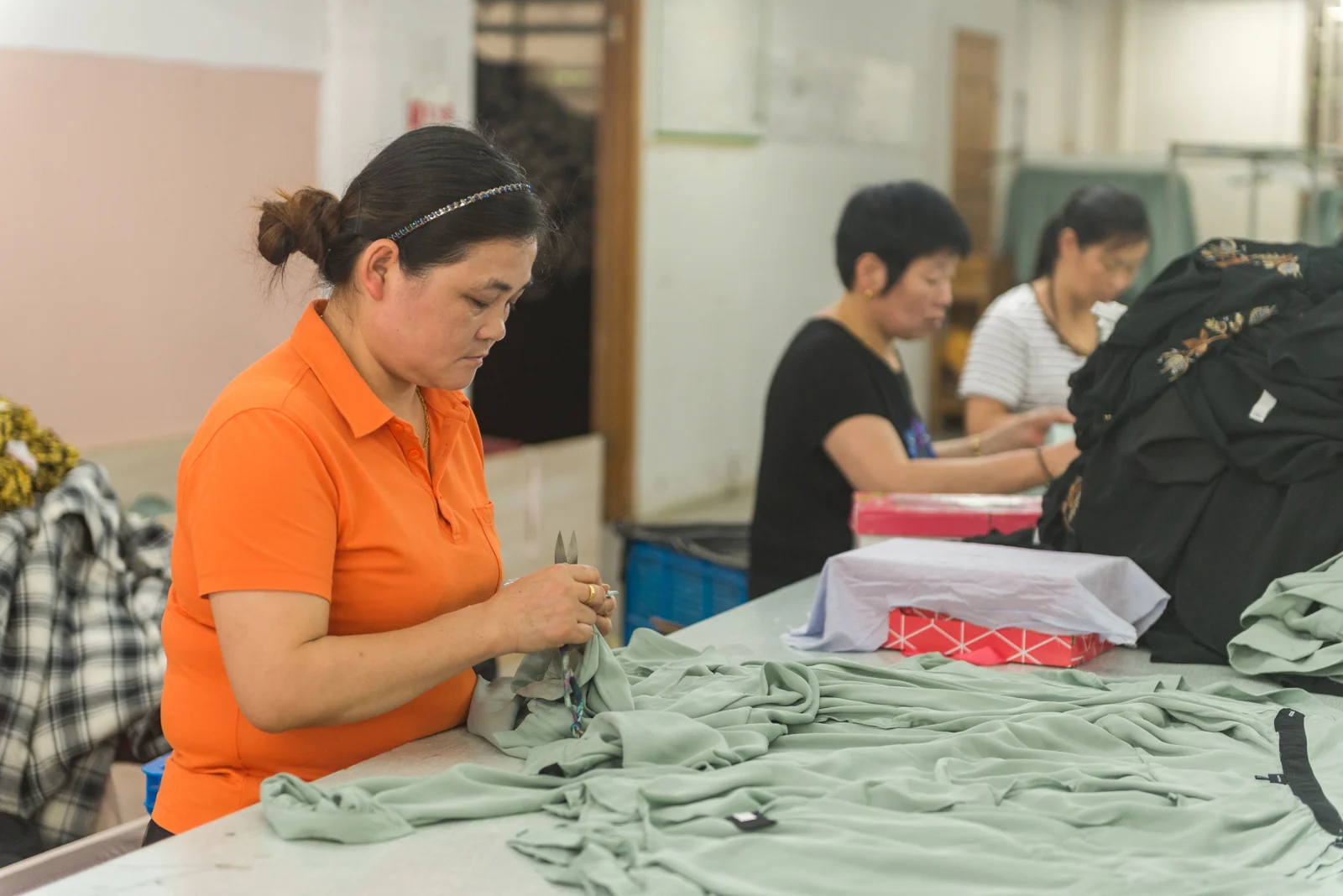
Discuss the inspections and tests applicable to your garment and destination market. Identify responsibilities, timing, review criteria and how issues will be reported. A historical factory audit should not be used as a substitute for an order-specific quality agreement.
Confirm labels, artwork, placement, folding, individual packing, carton markings and quantity breakdowns where required. If an independent inspection is planned, discuss access and timing before the dispatch stage. See our garment quality control and factory records for the distinction between quality work and historical credentials.
Close the Outstanding Decisions
Use one dated production checklist to separate approved items from open items. Name the person responsible for resolving each question and record whether a change affects materials, price or schedule. Avoid relying on scattered messages that contradict the final tech pack.
KEYIDI TEXTILE supports women’s woven dress manufacturing based on complete technical specifications or a physical sample. Send your dress production brief with the approval status, order quantities and delivery needs so the next steps can be reviewed.
Ready to Discuss Your Next Collection?
Send your garment brief, tech pack or physical sample details, fabric requirements, and target quantities for review.
Formal development requires a complete production-ready tech pack with specifications, or a physical sample garment. Concept sketches alone are not sufficient to start development.
Send Production Enquiry ↗Or email us directly at info@keyiditextile.com