
A women’s woven apparel tech pack should give a garment manufacturer clear instructions to review and sample your style. A drawing communicates appearance; the supporting specifications explain what to measure, what to use and how the garment should be constructed. The goal is to reduce decisions left to assumption.
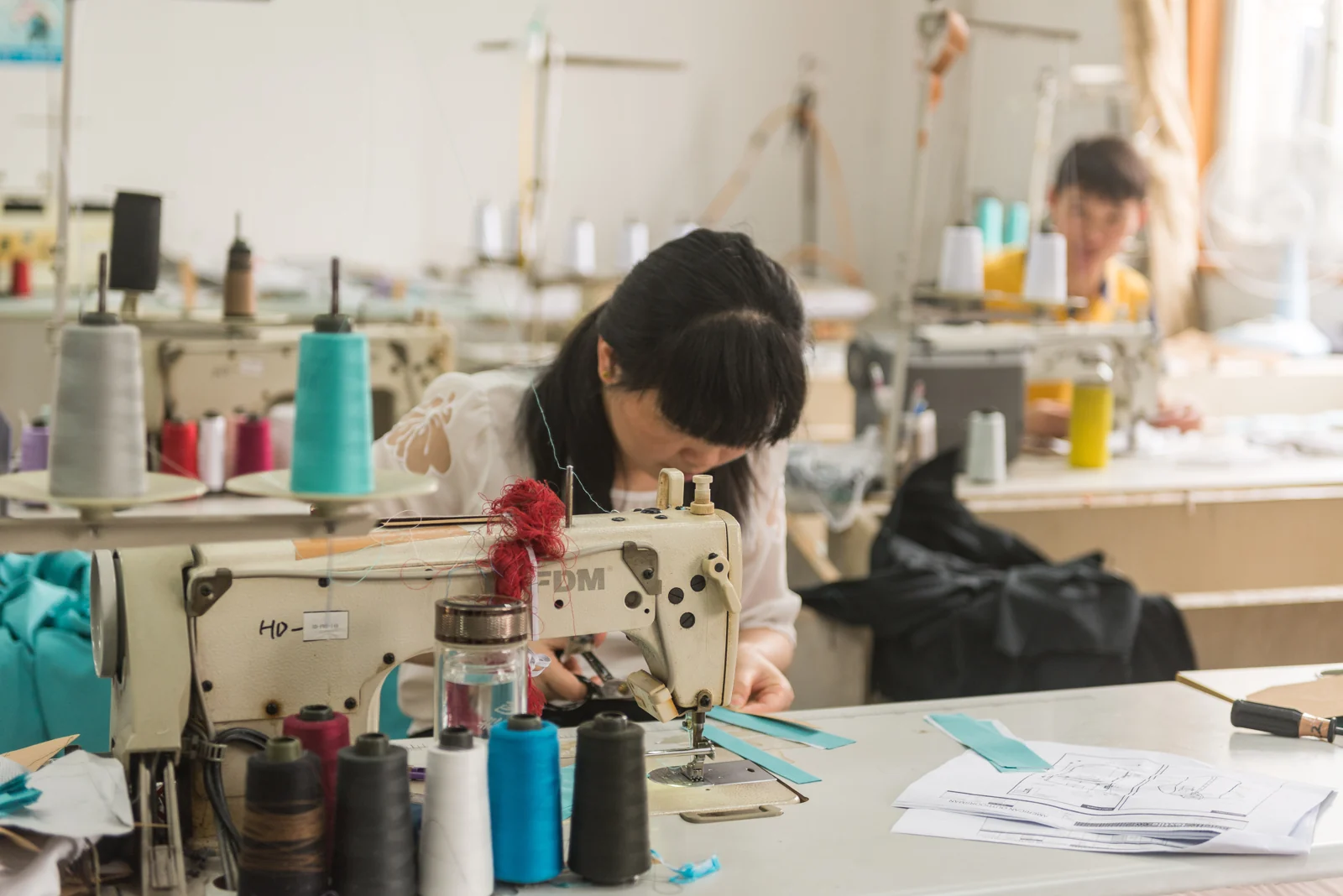
KEYIDI TEXTILE reviews projects from a complete tech pack with production-ready drawings and specifications, or a physical sample garment. If you are choosing between those routes, start with our garment sampling requirements. This checklist takes a closer look at the information inside a tech pack for shirts, blouses and dresses.
Identify the Style and the Current Version
Put your brand name, style code, garment description, document date and revision number on the pack. Identify the sample size and proposed production size range. Use the same style reference across drawings, measurement sheets, material lists and fit comments.
If you revise one sheet, make the change visible and state which earlier version it replaces. A useful revision log records the date, changed item, new requirement and whether the change has been approved. Sending several files called “final” without a clear sequence makes it difficult to know which instruction applies.
Show the Garment Beyond the Front View
Include front and back technical drawings and detail views for areas that cannot be understood from the overall silhouette. A blouse may need a separate view of its cuff opening or concealed placket. A dress may need internal lining, pocket or fastening details.
Mark the location of seams, darts, pleats, gathers, pockets and closures. Explain whether a detail is decorative or functional. Reference photographs can clarify a finish, but should support the specifications rather than replace them.
Define How Measurements Are Taken
A number alone can be ambiguous. For each point of measure, provide a name, a measurement diagram or method, the unit and the sample-size value. State whether the measurement is taken flat, around the body of the garment, relaxed or extended where relevant.
- Identify the start and end points for garment length and sleeve length.
- Define widths such as chest, hem, cuff and neckline consistently.
- List agreed tolerances separately from target measurements.
- Provide grading requirements or flag any size information still awaiting review.
Do not combine centimetres and inches without labeling them. Where a physical reference sample is supplied, explain whether its measurements are to be followed or changed.
Connect Each Material to Its Use
A bill of materials should connect each fabric and trim to a specific part of the garment. Record the shell, lining and interlining requirements where applicable, together with buttons, zips, elastic, labels and other components.
Include material composition, weight, colour reference and finish where these are specified. For prints or embroidery, provide artwork, placement, dimensions and relevant colour references. Distinguish confirmed selections from alternatives that still need discussion.
Specify Construction and Approval Points
Describe seam finishes, stitching, reinforcement, closure construction and pressing requirements where they affect the intended result. For lighter fabrics, identify the areas where transparency, seam appearance or lining needs particular attention. These instructions should be reviewed against the actual material.
Separate sample comments from approved production instructions. After a fit review, consolidate changes into one dated comment set and update the affected specifications. Confirm what remains open before the next sample stage or a bulk-production decision. See our woven garment manufacturing process for the broader production stages.
Check for Conflicting Instructions Before Sending
Compare the drawing, measurement sheet and material list. Does the drawing show a pocket absent from the specification? Does the sample use a zip while the pack specifies buttons? Mark the intended requirement and identify questions that need review instead of leaving two competing versions.
When your pack is ready, send a garment manufacturing enquiry with quantities by style and colour, the size range, material status and target delivery window. We can review the brief and discuss the sampling scope; submission alone does not confirm price, timing or production acceptance.
Ready to Discuss Your Next Collection?
Send your garment brief, tech pack or physical sample details, fabric requirements, and target quantities for review.
Formal development requires a complete production-ready tech pack with specifications, or a physical sample garment. Concept sketches alone are not sufficient to start development.
Send Production Enquiry ↗Or email us directly at info@keyiditextile.com